

High CTRs in 2026 don’t guarantee ad success. Automated bidding and AI change how CTR works, making conversion quality more important than clicks.

For over 15 years, a 2% click-through rate was the accepted benchmark for non-brand campaigns. That number became so ingrained in paid search that few stopped to recalibrate or define a new standard across all accounts.
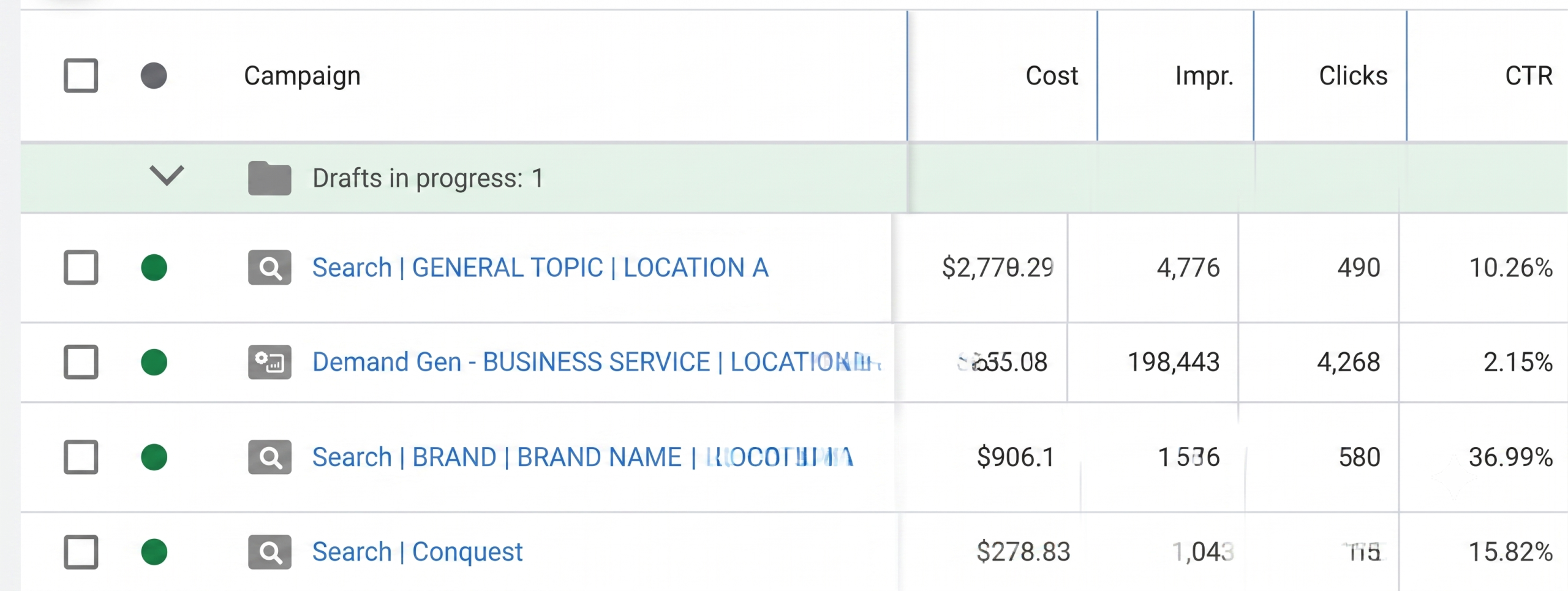
In 2026, when CTRs soar like the example account below, it’s tempting to declare the ads are working. But modern bid strategies and the increasing autonomy we give to AI demand a closer look at what CTR actually measures today and whether it still signals true ad success.
Redefining The CTR Equation
CTR is simply clicks divided by impressions, indicating whether your ads get clicked. Context has always mattered: brand campaigns yield the highest CTR, non-brand sits mid-tier, and conquesting campaigns fall on the low end.
Automated bidding complicates the picture. A Maximize Conversions or Maximize Conversion Value strategy restricts impressions to searchers AI deems most likely to convert, while Target Impression Share pulls in more impressions, lowering the denominator and CTR. Maximize Clicks specifically favors users with a high propensity to click. A high CTR no longer purely means ads resonate—the metric has lost its early PPC simplicity.
The Impact Of Campaign Architecture
Campaign type also matters. Display, Demand Gen, and YouTube campaigns inherently have lower CTRs because they’re not designed for immediate clicks. Performance Max campaigns across Google and Microsoft drive a highly mixed CTR due to their multi-channel nature.
Does A Healthy CTR Equal Success?
With the technical definition and historical evolution clear, we face the core question: Does a healthy CTR mean your ads are successful? The answer is no. A high volume of clicks doesn’t equal a winning campaign. In performance marketing, success traditionally means revenue, but it’s increasingly vital to view performance across a broader spectrum.
A click is the initial spark, not a guaranteed sale. In our automated era, CTR has shifted from a primary success metric to a diagnostic indicator. Once a gauge of raw human interest, it now serves as a proxy for AI efficiency. A shifting CTR often reflects the algorithm testing audiences, placements, and creatives.
A strong CTR confirms your messaging wins the auction and cuts through noise—but that’s just one piece. Instead of evaluating AI solely on clicks, judge it on the quality of post-click actions. If conversion rates improve and cost-per-acquisition drops, a fluctuating CTR isn’t a red flag; it’s evidence the AI is filtering noise to find real buyers.
Moving Beyond The Click
Another accelerating variable is generative AI integration within search engines as new ad formats roll out. Features like Google’s AI Overviews resolve user intent directly on the results page, creating “zero-click searches.” The ad platforms have yet to provide a standardized definition of how impressions and clicks inside these generative AI blocks are aggregated in standard reports. We’re measuring a shifting target.
The Final Verdict On Modern CTR
Ultimately, a healthy CTR is a sign of life, not a guarantee of success. It proves your creativity can win the auction and your brand can find space in generative search layouts, but it doesn’t promise ROI. As PPC evolves, stop asking whether your ads get clicked and start asking what those clicks actually buy you. Let the AI manage the CTR math; you manage the revenue.
More Resources:
- The High CPC Paradox: When Expensive Clicks Are A Sign Of Success
- Do AI Mode Ads Actually Convert Better Than Manual Campaigns? – Ask A PPC
- Why Your AI Ad Strategy Is Only As Good As Your Data
Featured Image: Roman Samborskyi/Shutterstock
Read Full Bio
Owner at Sarah Stemen, LLC
Sarah Stemen is a paid search marketer with 17+ years of experience helping businesses drive real results from Google Ads.


