
Duer’s Interval Magazine Bets on Print to Cut Through Digital Clutter
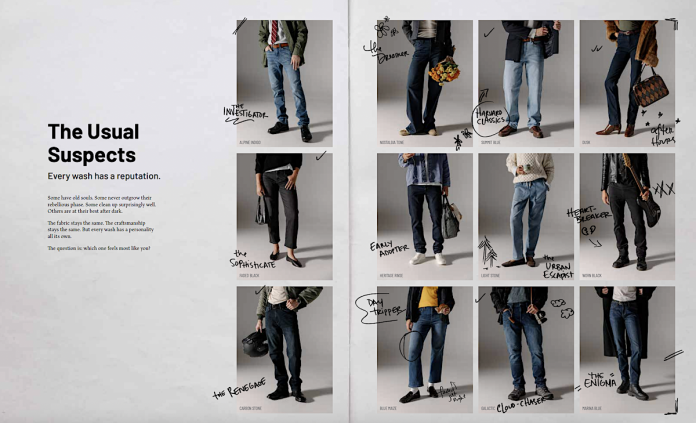
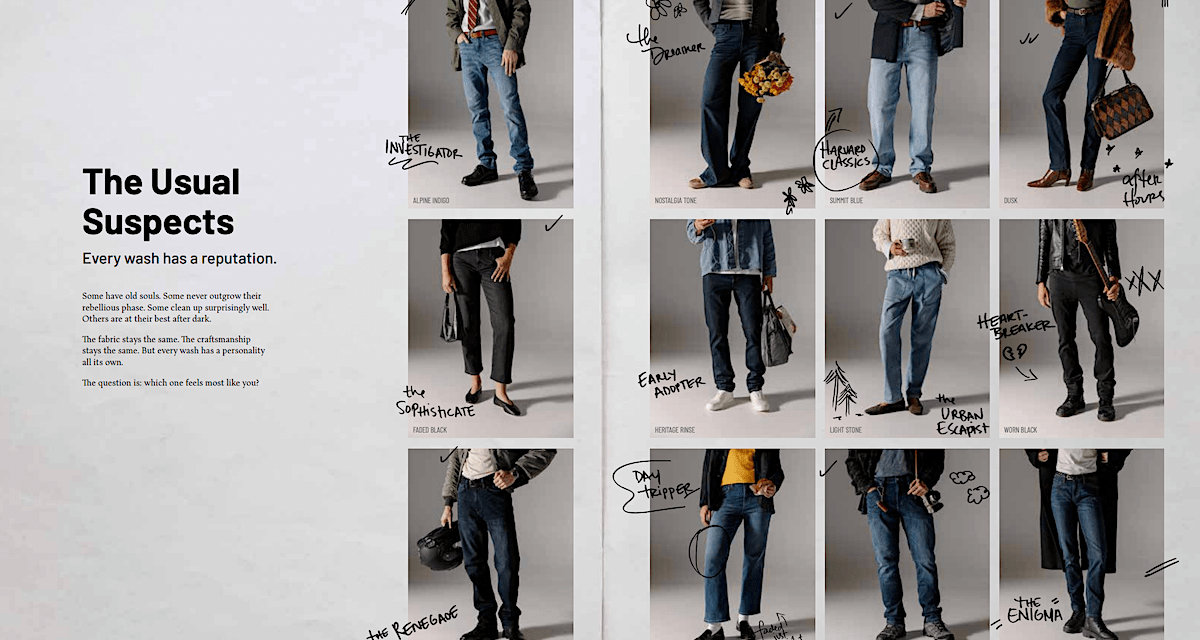
Duer, a Canadian performance jeans brand, is making a deliberate move into print at a time when analog formats are drawing renewed consumer interest. The company is launching Interval, a quarterly magazine built around photo spreads, features, interviews and personal essays that tell the brand’s story.
The first issue arrives in October and will be sold in the U.S., Canada and the U.K. It will be stocked in Duer stores, mailed to loyalty members and placed with select wholesale partners, starting with a circulation of roughly 5,000 copies.
Why Duer Is Launching a Print Magazine
Duer, founded in 2013, sees the magazine as a way to reach both new and existing customers while explaining its value proposition more fully. Co-founder and CEO Gary Lenett — who previously made jeans for Levi’s, Lee, Wrangler and Guess — started the company after biking to work meetings and noticing a gap for denim that performed like athletic wear and could move between the gym and the office. The brand’s first jeans launched on Kickstarter with a focus on technical design, comfort and versatility. More than a decade later, Lenett said, educating people about Duer and performance jeans is still central to the business.
From Lenett’s perspective, print gives the brand room to share its history and fabrications as it expands beyond its Vancouver home base. “It does seem, from a bunch of perspectives, maybe counterintuitive to do print,” Lenett told Modern Retail. “But, for me, I always come back to two questions: How do we get through the clutter, especially in the U.S.? … And, even if you express why you’re special, how do you get across that it’s actually authentic?”
“I think there is something really grounding to a print piece,” he added. “Someone could put up this facade online. They might have one person using AI in the background, and there’s really no ‘there’ there. … What we really want to show with this [magazine] is the depth of our brand.”
Inside Duer’s Business and Expansion Plans
Duer started with jeans but now makes men’s and women’s products across categories, from shorts and joggers to jackets and overalls. It sells internationally through its website, 14 standalone stores and hundreds of retail accounts, with the business split 55/45 between direct-to-consumer and wholesale. Duer’s financial year ends in February, and it’s on track to be up 40% year over year in revenue. “We’re pretty much on a trend line to around $100 million within 18 months,” Lenett said.
What’s Inside the First Issue of Interval
The debut issue showcases Duer products, including its No Sweat high-rise slim straight jeans and its Thermasoft marino jacket, but Lenett describes Interval as “not a hard sales tool.” There are no prices in the magazine, and some articles don’t mention Duer by name at all. Content is produced by Duer employees alongside freelancers.
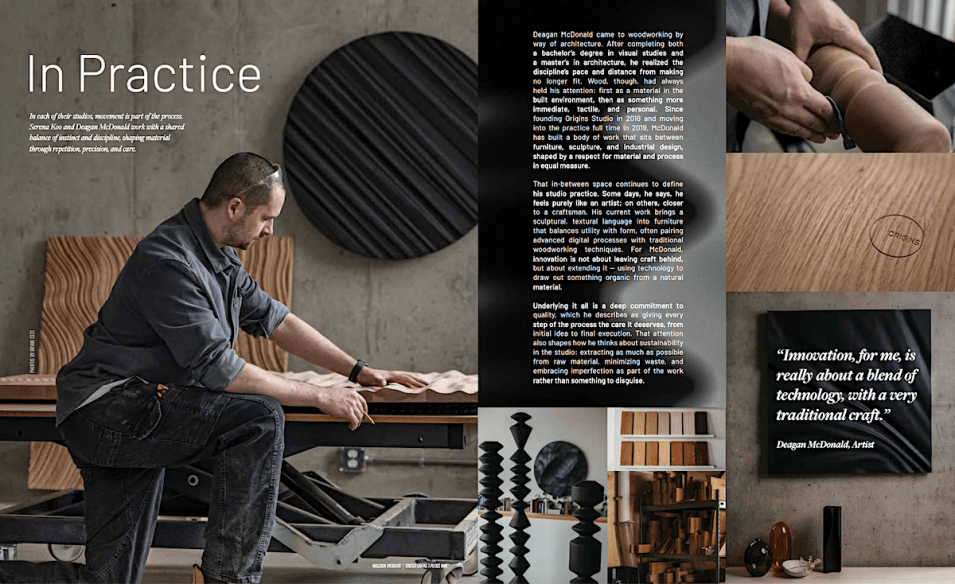
The first edition covers a wide range of subjects, including return-to-office style and the history of workwear. It also features conversations with stylist Leila Bani and stunt performer Jennifer Clarke (a former Canadian national team gymnast and Duer’s first COO), plus profiles of woodworker Deagan McDonald and potter Serena Koo. According to Lenett, that variety reflects the brand’s ethos: “We give people this clothing that can allow them to experience more,” he explained.
Print’s Comeback: Why Analog Is Drawing Consumers Again
The timing fits a broader sense of digital burnout. Many consumers, particularly younger ones, are tired of being “always on” or glued to screens; a Morning Consult poll from 2024 found that 42% of Gen Z is somewhat or very interested in using “dumb” technology. Vinyl records and CDs are enjoying a resurgence, and landline phone companies like Tin Can are seeing sales climb. Earlier this month, Pinterest revealed that searches for analog activities and “dumb phones” have more than doubled.
Other Brands That Have Tried Print — and What Happened
Duer isn’t alone in launching a print publication, especially as digital marketing costs continue to rise on platforms like Google and Instagram. Uniqlo launched its biannual lifestyle print magazine LifeWear in 2019 to touch upon “the philosophy that Uniqlo creates,” then-head of communications Michael Zakrzewski told Modern Retail in 2023. “Some customers have come back to say that they’ve collected every issue thus far,” he said. In 2025, clothing brand Faherty launched The Faherty Chronicles, a quarterly print publication akin to a coffee-table book.
Not every brand publication has lasted, however. Casper launched a quarterly print magazine called Woolly in 2017 that is no longer in circulation. In 2018, Airbnb rolled out Airbnb Magazine, but that has since been “paused indefinitely,” per the company. Net-a-Porter’s print magazine, Porter, launched in 2014 but went digital-only by 2021.
Magalog vs. Catalog: What Works for Brand Publishing
Polly Wong, president of direct marketing agency Belardi Wong, told Modern Retail via email that many brands have experimented over the years with what’s called a “magalog,” or a hybrid of a magazine and a catalog. “Magalogs can be an effective way to deepen engagement with a brand’s best customers, particularly when the content adds value and strengthens an existing relationship,” she said.
Still, numerous brands — including Anthropologie — use typical catalogs, which can help introduce the brand to new customers, Wong said. That audience may be “more likely to respond to a clear, product-focused introduction than to editorial content requiring a greater commitment of their time,” she added. Compared to “magalogs,” catalogs also “tend to generate stronger revenue while requiring fewer resources to produce,” Wong said. “The key is to match the format to the audience.”
What’s Next for Interval
Looking ahead, Duer is open to experimenting with future issues of Interval, Lenett said, though he wants the content to maintain a consistent feel. Issues will remain free. “I’m sure we’ll test and iterate a bit,” he said. “[We’re] just trying to get reach on who we are and why we’re special.”


