
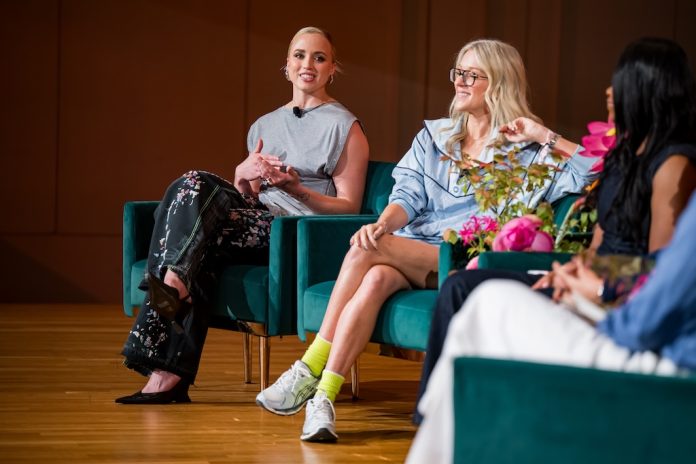
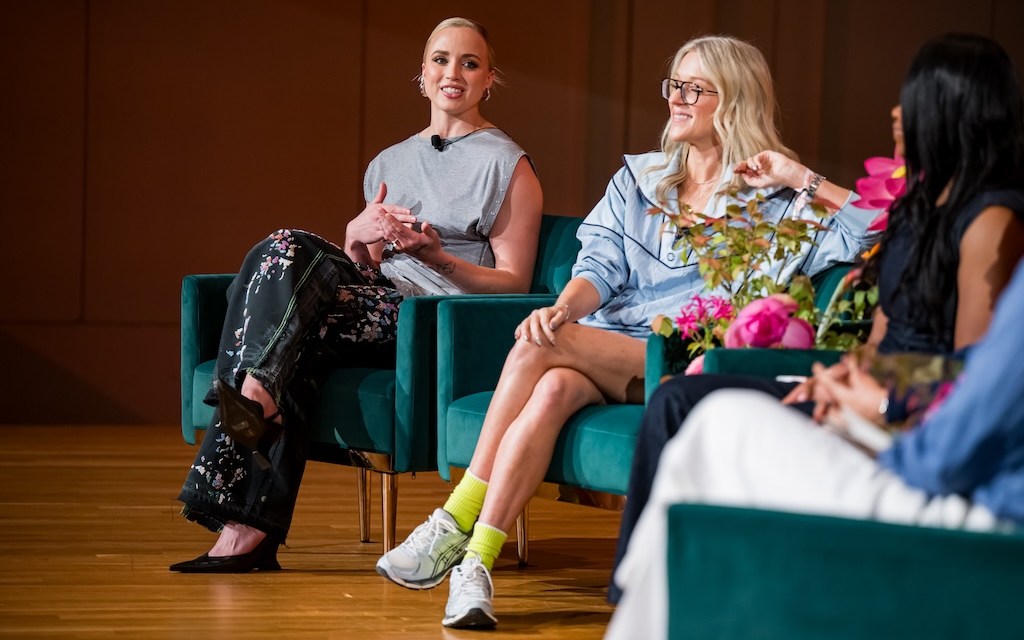
At Glossy Pop NYC earlier this month, creators and experts from across the fashion and beauty space gathered to discuss the role of influencers in saturated markets.
The event brought together brand executives, creators and fans to talk through the trends shaping the industry — from AI to digital marketing to product development. One theme that surfaced repeatedly was how content creators differentiate themselves as competition grows, and what brands actually look for when they choose partners.
How the creator role has shifted over time
As the creator economy matures, some creators’ relationships with brands have evolved too, particularly for those who have been posting for years.
Creator Abby Baffoe, who started in 2019 with hair tutorials, said her content has since broadened into lifestyle. “Having a niche works for some people, but for me, it felt restricting,” she said. Even so, Baffoe has kept relationships with early brand partners like TRESemmé and L’Oreal because they still fit naturally into her day-to-day content.
Athletes are increasingly turning brand ambassador roles into full creator careers as sports and marketing intersect. Brand marketers have been especially drawn to professional athletes as a way to reach new audiences.
WNBA star Hailey Van Lith told the audience that she prefers to collaborate closely with brands on both product and marketing strategy. Athletes, she explained, have historically been treated more like billboards than creative partners. “Some athletes love their sport so much, and the brand [partnership] side is kind of a supplement,” she said. “But for me, I like the experience of even [deciding] what the shoot is going to look like.”
Even as marketers call for authenticity, creators still have to follow strict ad reads when representing certain brands.
Tessa Brooks, a creator, dancer and actress with over 25 million followers across Instagram and TikTok, said working with high-end brands often means adhering to specific content guidelines.
For non-luxury campaigns, Brooks said she focuses on posting content with viral potential. “But when it comes to high-fashion brands, it’s very different because they’re so specific about who they are and their image,” she said.
Why expertise and real-world skills matter more than follower count
For some industry figures, like fashion PR veteran Kelly Cutrone, the label “influencer” has lost meaning when it comes to actual expertise or industry influence.
“For me, the word ‘influencer’ or ‘microinfluencer,’ it’s whatever,” Cutrone said. She pointed out that it’s now easy to “go to Amazon and order a mic and get a cool background and have an opinion.”
Cutrone said the democratization of online platforms is also what creates confusion around who qualifies as an expert or a fashion critic. “There is a difference between an opinion and experience,” she added.
Other experts-turned-creators shared Cutrone’s view.
Mary Phillips, founder of makeup brand M.ph by Mary Phillips, said her skills and decades-long career as a makeup artist lent credibility when courting retailers.
“When we pitched our idea to Sephora before having any products, they said, ‘Great, we want it,’” Phillips said. “They’re [Sephora] a great partner because they want what you do and what you know.”
Cutrone added that anyone hoping to work in fashion and beauty — not just create content about it — needs to understand that it’s a lifestyle.
“As crazy as this industry is, it’s given me everything,” she said.


