
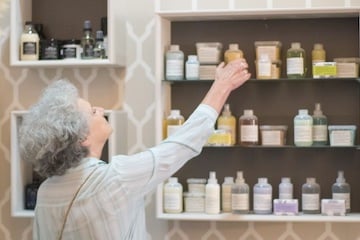
I recently met with a spa manager in California to introduce her to a French beauty brand. I explained that the company, a client of mine, might make her spa the first in the U.S. to carry those products. I expected an enthusiastic response, since the brand is well known in Europe and Asia.
She declined. Her customers ask for brands they already know or that others have recommended, she said, and carrying an unfamiliar line is a risk.
That conversation reshaped how I approach marketing for online companies trying to break into physical retail.
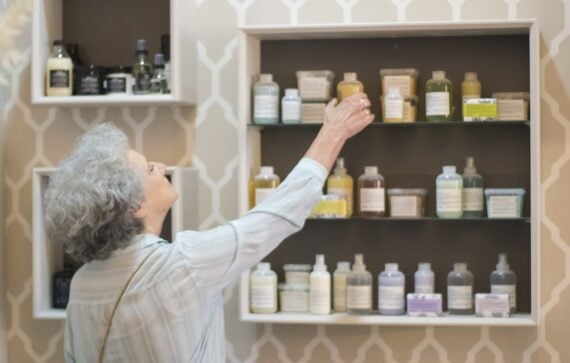
Customers in spas prefer brands they know or that others have recommended.
The Paradox
Spas, resorts, and specialty chains want exclusivity in their sales channels, yet they also want products their clients recognize. For brands pursuing offline channels, that means investing in awareness rather than chasing immediate conversions.
The way in is through association membership and industry events. SoCal Spa Wellness Collective, for instance, “brings together industry leaders, boutique spas, wellness retreats, and luxury brands to foster collaboration, innovation, and growth.” Annual membership for brands starts at $1,100.
A booth at a Live Love Spa event will likely put you in conversations with a couple dozen spa directors. European founders often question the cost and effectiveness, but it works. Once one resort is on board, the others typically follow.
Cold email is tempting because open rates can reach 80%, but conversions are very low. Spa managers are busy and tend to answer client emails while letting the rest slide. Email rarely works with resort groups and larger chains. Estheticians are the exception; they often respond.
Know which door you are walking through. Back bar refers to the products estheticians use during treatments; retail is what the spa sells to clients afterward. Retail is the easier first door, since displacing a back bar product a spa has trusted for years is far harder.
From there, co-develop a seasonal treatment protocol with the spa’s estheticians using your brand, and work toward becoming their back bar over time. Introduction to first order typically takes about six months.
Negotiating with spas involves more than price. It includes training for estheticians and meeting the spa’s immediate needs, whether that is sunscreen in summer or an out-of-stock makeup remover. The right product at the right moment beats a broader strategy. Patience is the whole game.
B2B vs. D2C
The deciding retail factor for a client leaving a facial is whether she has heard of the brand. Estheticians are the influencers who matter here, not prominent lifestyle creators. A trusted professional with a mid-sized, engaged audience does more than a general beauty voice.
Spa managers will scrutinize a brand’s site before moving forward, so focus on well-structured product pages, a clear ingredients section, professional images, and clean calls to action.
Key performance indicators for B2B sites differ from D2C. Awareness and site quality matter far more than conversion rates, purchase frequency, and average order values. B2B KPIs include branded searches on Google and elsewhere, direct traffic, pro registrations, sample requests, and “where to buy” clicks.
An omnichannel strategy still requires a D2C channel, but sell only what fits consumers, such as retail-sized cleansers, sunscreens, and makeup removers. Put professional-use products behind a login, with pro pricing gated the same way. Enforce minimum approved pricing on shared SKUs so retail prices don’t undercut what spas charge.


