
Nike’s turnaround remains a work in progress, but one of its core categories is showing signs of promise.
In its fiscal first quarter, Nike reported revenue of $11.2 billion, down 4% on a reported basis, with net income of $0.7 billion, down 2% year over year.
Greater China was among the biggest drags on the topline, with sales down 26% year over year. Sportswear and the Jordan brand were two other significant weak spots. For the full year, Nike projects revenue will decline by high single digits.
Still, CEO Elliot Hill pointed to basketball, soccer (which Nike calls global football) and running as areas of success during the quarter. He framed the business as having correctly diagnosed its problems and now working through them. “These challenges are significant, but are not the whole story at Nike,” Hill said.
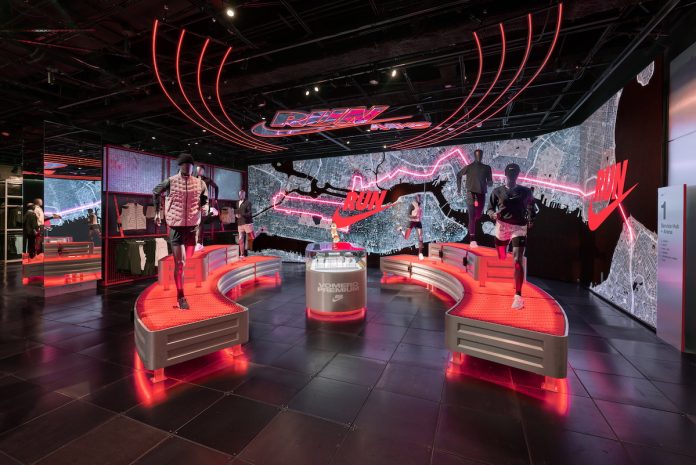
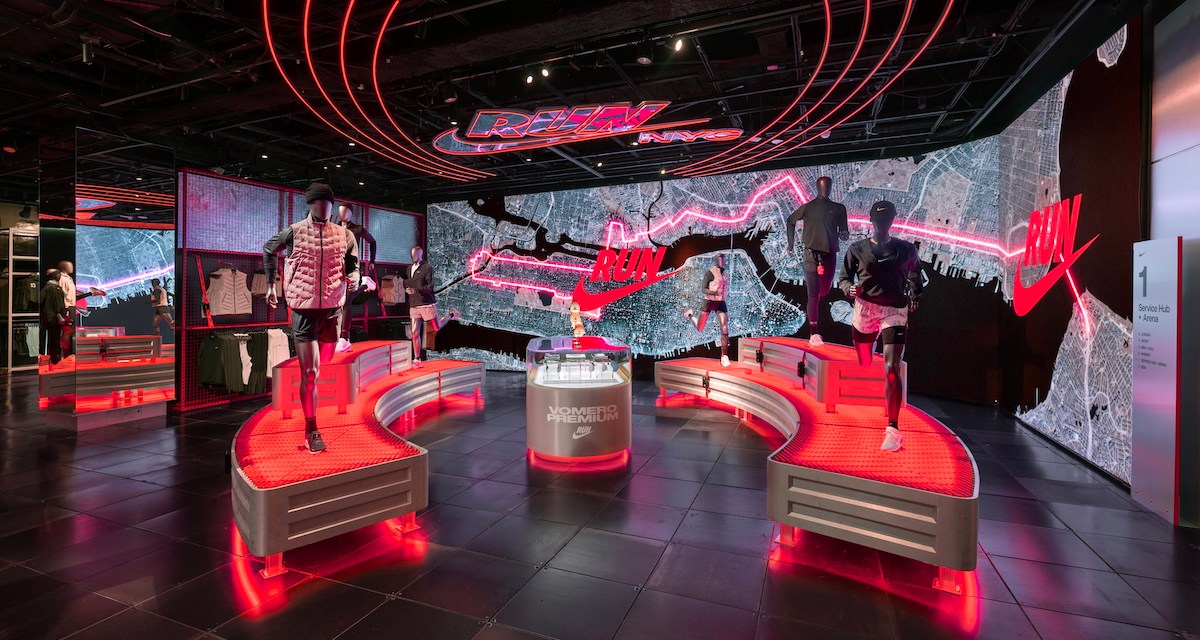
The running turnaround stands out because, only a few years ago, the category was an Achilles heel. The Wall Street Journal had declared that Nike had “missed the run club boom” as competitors like On and Hoka gained market share.
In the fiscal first quarter, however, Nike’s running business grew double digits with “consistent share gains,” according to Hill.
“Innovation in max cushioning helped reignite this business,” Hill said. “We’ve nearly tripled our share of the max cushioning category over the past year.”
Over the past two months, Nike debuted four new running innovations, Hill said, each one “built around a different runner, a distance and a goal.” Running was also one of the few bright spots in Nike’s China business. “We are driving double-digit growth, and it is our sixth quarter of growth in running,” Hill said. Local events have been central to that growth: during the quarter, Nike hosted an edition of its After Dark running tour in Shanghai, which drew almost 4,000 runners and sold out on the first day, according to Hill.
Nike’s innovations in running and other sporting categories also offer a blueprint for returning to growth elsewhere, Hill explained on the earnings call. One of his major changes since becoming CEO of Nike in 2024 has been reorganizing the company around specific sports rather than by men’s, women’s and kids.
Hill now plans to take a similar approach with sportswear, which includes some of Nike’s iconic sneaker franchises as well as its more casual athleticwear. During the quarter, Nike sportswear revenue was down by low double digits, though “several major franchises are healthy and growing,” Hill said, citing the Air Force One franchise and the fleece business as examples.
The common thread among the sportswear franchises that are succeeding, Hill said, is clarity on who they serve — and that is the approach Nike is attempting to apply across the entire business.
“The sportswear consumer isn’t one audience — it’s a collection of consumers with distinct needs, tastes and motivations. So we’re organizing sportswear assortments the same way we’ve organized our performance business around specific consumer insights and distinct style preferences,” Hill said.